
How to Improve Your CIBIL Score Quickly in 30 Days | LoanBazzi
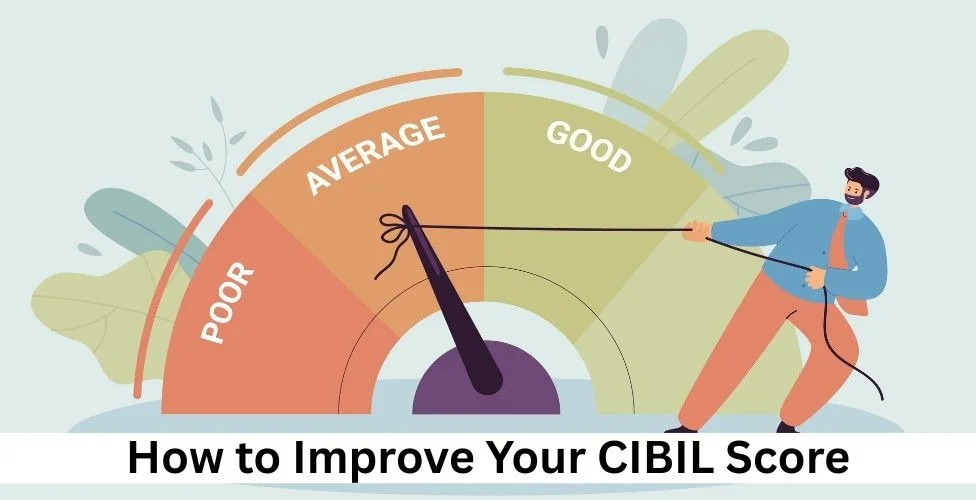
Have you checked your CIBIL score recently? If the number looks lower than you expected, do not worry. You are not alone in this situation. Many people across India face the same problem every day. The good news is that you can turn things around faster than you think. Learning how to improve your CIBIL score is not as hard as it seems. In fact, you can start seeing real changes in just one month. This guide will show you exactly what steps to take. We will walk through this journey together step by step. By the end of these 30 days, you will feel more confident about your financial future.
Your credit score plays a big role in your life. It affects whether banks say yes to your loan applications. It also decides what interest rate you will pay. A strong score can save you thousands of rupees over time. So let us get started on this important journey today.
Understanding Your Starting Point
Before you fix anything, you need to know where you stand right now. Your CIBIL score is a three digit number between 300 and 900. This number tells lenders how responsibly you handle borrowed money. A score above 750 is generally considered strong. Scores between 650 and 749 need some work but are not terrible. Anything below 650 requires immediate attention.
If your score currently sits around 600, you might wonder about how to increase CIBIL score from 600 to 750. This goal is absolutely achievable. Many borrowers have done it before you. The journey requires consistency more than anything else. You do not need magic tricks or shortcuts. You just need the right plan and the discipline to follow it.
The first thing you must do is get your latest credit report. You can download one free report every year from the CIBIL website. Take a careful look at every single entry. Check for mistakes in your personal information. Verify that all the accounts listed actually belong to you. Make sure the payment status on each account is correct. Sometimes errors creep into these reports without your knowledge. Fixing these errors alone can boost your score significantly. If you need guidance, our team at LoanBazzi can help. Visit our About Us page to learn more about how we support borrowers like you.
Step One: Clean Up Your Credit Report
Mistakes on credit reports happen more often than you might think. A lender might accidentally mark a payment as late when you paid on time. Another lender might show an outstanding balance that you already cleared. These errors drag your score down unfairly. So you must take action to remove them.
Start by highlighting every piece of information that looks wrong. Note down the account names and the specific errors you found. Then visit the CIBIL website and raise a dispute for each mistake. Upload proof of the correct information whenever possible. For example, if you have a bank statement showing a payment, attach it. The credit bureau will investigate your claim with the lender. This process usually takes around 30 days to complete. Once the error gets fixed, your score often jumps up immediately. This is one of the fastest ways to see improvement.
Step Two: Pay Every Single Bill on Time
Your payment history makes up the largest part of your credit score. Lenders want to see that you pay what you owe without fail. Even one missed payment can hurt your score for months. So you must make timely payments your top priority.
Set up reminders on your phone for every due date. You can also enable auto debit from your bank account. This ensures that your credit card bills and loan EMIs get paid automatically. Just make sure you have enough money in your account when the debit happens. For the next 30 days, do not miss a single payment anywhere. Pay your credit cards before the due date, pay your loan instalments on time and pay your utility bills promptly as well. Some of these bills now get reported to credit bureaus too. Consistent on time payments show lenders that you are reliable. This builds trust and pushes your score upward.
If you have any pending dues right now, clear them immediately. Even small overdue amounts hurt your score. Pick up your phone and make those payments today. Do not wait until tomorrow. Every day you delay costs you points on your score.
Step Three: Bring Your Credit Usage Down
Credit utilization is a fancy term for something simple. It means how much of your available credit limit you actually use. For example, suppose your credit card limit is one lakh rupees. If you spend ninety thousand, your utilization is ninety percent. This looks risky to lenders. It suggests you depend too much on borrowed money.
The ideal credit utilization ratio is below thirty percent. So on that one lakh rupee limit, you should spend less than thirty thousand. If your current usage is high, you need to bring it down fast. Make a payment toward your credit card right now. Reduce the outstanding balance as much as you can. Even paying part of it helps your score improve.
You can also try spreading your expenses across multiple cards. This keeps the utilization low on each individual card. Another option is asking your bank for a credit limit increase. If your limit goes up but your spending stays the same, your utilization drops automatically. Just be careful not to spend more just because your limit increased. That would defeat the whole purpose.
This step alone can create noticeable improvement within one billing cycle. Lenders report your balance to credit bureaus every month. So when your lower balance gets reported, your score reflects the change quickly. This is a key part of how to improve your CIBIL score quickly without waiting for months.
Step Four: Do Not Apply for New Credit Right Now
Every time you apply for a loan or credit card, the lender checks your credit. This creates what is called a hard inquiry on your report. Too many hard inquiries in a short time hurt your score. They make you look desperate for money. Lenders see this as a warning sign.
So for the next 30 days, do not apply for any new credit at all. Say no to those pre approved loan offers you get via text messages. Ignore the tempting credit card ads you see online. Just pause all applications completely. Let your existing credit breathe for a while.
This does not mean you will never apply for credit again. It just means you are giving yourself time to improve your profile first. Once your score goes up, you can apply again with much better chances of approval. Patience here pays off in the long run.
Step Five: Keep Your Old Credit Accounts Open
Some people think closing old credit cards helps their score. Actually, the opposite is true. Old accounts show that you have a long credit history. A longer history makes you look more experienced and stable. So closing those accounts shortens your history and can lower your score.
Keep your oldest credit card active even if you do not use it much. Put a small recurring charge on it each month. Maybe set it to pay your phone bill automatically. Then pay the full amount when the bill comes. This keeps the account active and reporting positively to the credit bureau. It also adds to your history length with very little effort.
If the card has an annual fee, decide whether the cost is worth the benefit. Sometimes you can ask the bank to waive the fee based on your loyalty. But if the fee is too high and you really want to close it, do so carefully. Just know that closing it might cause a small temporary dip in your score.
Step Six: Deal With Past Settlements the Right Way
Maybe you have a loan settlement in your past. This happens when you could not pay the full amount and the bank agreed to take less. Settlements leave a mark on your credit report. They tell future lenders that you did not fulfill your original promise. This makes them nervous about lending to you again.
If you want to know how to improve CIBIL score after loan settlement, here is the truth. You cannot erase the settlement mark itself. It stays on your report for up to seven years. But you can build so much positive history that the settlement matters less over time. The key is to show consistent good behavior going forward.
Start by making sure that settled account shows as closed on your report. Sometimes banks forget to update the status properly. Contact the lender and confirm they reported the closure. If the settlement amount was partial, ask if you can pay the remaining balance. Some lenders allow this. Paying the full amount changes the status from settled to closed. This looks much better to future lenders.
Then focus on building new positive credit. Get a secured credit card if needed. Use it for small purchases and pay it off every single month. Over time, these good habits outweigh the old mistake in your past. It takes patience but it works.
Step Seven: Mix Up Your Credit Types
Having only one type of credit can limit your score growth. Lenders like to see that you can handle different kinds of debt responsibly. This means having a mix of secured and unsecured loans.
Secured loans are backed by something valuable. Home loans and auto loans fall into this category. Unsecured loans include credit cards and personal loans. If you only have credit cards right now, your credit mix is limited. Consider taking a small secured loan to add variety. A fixed deposit loan is a good option here. You borrow against your own fixed deposit. The interest rate is low and approval is almost guaranteed. Use this loan for a few months and pay it back on time. This adds a new type of credit to your profile and shows you can manage different obligations.
Do not take out loans you do not need just for the sake of mixing credit. But if you have a genuine need, choose the type that adds variety to your profile. This strategic thinking helps your score over time.
Your 30 Day Action Plan
Let us put all of this together into a simple plan you can follow day by day. This plan focuses on how to improve CIBIL score in 30 days with realistic actions.
Week One: Diagnosis and Cleanup
Download your credit report on day one. Go through every single line item carefully. Note any errors or accounts you do not recognise. Raise disputes for every mistake you find. Pay any overdue bills immediately. Do not leave anything pending. Check your credit card balances and calculate your current utilisation. If it is above thirty percent, make a payment to bring it down.
Week Two: Payment Perfection
Set up auto debit for all your recurring payments. Confirm that your bank account has sufficient funds for each deduction. Make sure you pay every bill before its due date this week. If you have multiple credit cards, spread your spending across them to keep individual utilisation low. Do not apply for any new credit cards or loans this week.
Week Three: Strategic Improvements
Call your credit card issuer and ask for a limit increase. If approved, do not spend the extra money. Just let it lower your utilisation ratio automatically. If you have an old credit card you rarely use, put one small bill on it. Set up autopay for that card so you never miss the payment. Check the status of any disputes you raised in week one. Follow up if needed.
Week Four: Review and Plan Ahead
Check your credit score again at the end of the month. See how much progress you have made. Note which actions helped the most. Make a list of upcoming due dates for next month. Plan your budget to ensure you can pay everything on time. Think about whether adding a different type of credit makes sense for your situation.
By following this plan, you give yourself the best chance to see real improvement quickly. Remember that this is just the beginning. Maintaining good habits over many months builds lasting strength in your credit profile.
Common Mistakes to Avoid
Some actions can hurt your score even when you mean well. Let us talk about what to avoid during these 30 days.
Do not close old credit cards no matter how tempting it seems. That card with a ten thousand rupee limit from five years ago helps your history length. Keep it open and use it occasionally.
Do not fall for services that promise instant score boosts for a fee. These are usually scams. No one can magically raise your score overnight. Real improvement comes from real financial behavior changes.
Do not cosign a loan for someone else right now. Their payment behavior becomes your responsibility. If they miss a payment, your score suffers too. Wait until your own score is stronger before taking on that risk.
Do not ignore small balances thinking they do not matter. Every unpaid rupee affects your score. Clear everything you possibly can.
When to Seek Professional Help
Sometimes improving your credit gets complicated. Maybe you have multiple settlements or defaults. Perhaps identity theft affected your report. In these situations, professional guidance helps.
At LoanBazzi, we understand that every financial journey is unique. We offer support and resources to help you make informed decisions. Our team can point you in the right direction when you feel stuck. Visit our Contact Us page to reach out with your specific questions. We are here to help you succeed.
Building Long-Term Financial Health
Improving your score in 30 days is just the first step. The real goal is building lasting financial health that serves you for life. Think of your credit score as a reflection of your overall money habits. When you manage money well, your score naturally rises.
Create a budget that works for your lifestyle. Track where your money goes each month. Build an emergency fund so unexpected expenses do not force you into debt. Pay your bills on time every single month without fail. Keep your credit card balances low even when your limit increases. Check your credit report regularly to catch errors early.
These habits do more than just boost your score. They give you peace of mind and financial freedom. You will worry less about loan approvals and interest rates. You will qualify for better opportunities when they come along. The effort you put in today pays dividends for years to come.